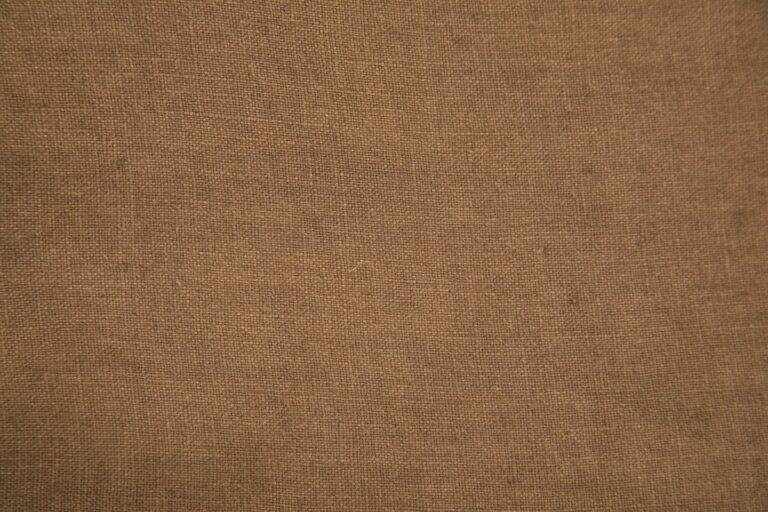
Ask ten buyers what the difference is between cotton duck and canvas and you will probably get ten slightly different answers. Some use the words interchangeably. Others insist duck is a completely separate fabric. The truth sits somewhere in the middle: cotton duck is a type of canvas, but it is woven in a particular way that changes how it behaves in the finished product.
We get this question almost every week from tent makers, bag brands and tarpaulin converters, so we thought it was worth putting the answer down properly. If you are writing a fabric specification or comparing quotes from suppliers, knowing the difference will save you from ordering the wrong cloth.
What Is Cotton Canvas?
Canvas is the umbrella term for a heavy, tightly woven plain-weave fabric. In a plain weave, each weft yarn passes over one warp yarn and under the next, in a simple one-up, one-down pattern. Traditional canvas uses single yarns in both directions, which gives it a smooth, even surface that is easy to dye, print and stitch.
Our 100% cotton canvas fabric is produced in a wide weight range, so the same basic construction can be used for anything from a light tote bag to a heavy-duty cover. The weight is usually expressed in GSM (grams per square metre) or in ounces per square yard.
What Is Cotton Duck?
Cotton duck is a canvas woven more tightly, typically with two yarns laid together in the warp. Those paired yarns pack the weave closer, which makes duck denser, firmer and smoother than a regular canvas of similar weight. The name is generally traced back to the Dutch word doek, meaning cloth, rather than to the bird.
Because of that tight construction, duck holds its shape well, resists abrasion and takes a crisp fold. That is why you see it in work bags, tool rolls, aprons, heavy tents and industrial covers, where the fabric has to stand up to constant handling.
Cotton Duck vs Canvas at a Glance
- Weave: Plain canvas uses single yarns; duck usually uses paired warp yarns for a tighter weave.
- Feel: Canvas is softer and drapes more easily; duck feels stiffer and more structured.
- Strength: At the same GSM, duck generally offers better abrasion and tear resistance.
- Surface: Duck has a smoother, closer face, which helps with coatings and water-repellent finishes.
- Typical uses: Canvas suits totes, light upholstery and garments; duck suits work bags, tents, tarpaulins and covers.
What Do Numbered Duck Grades Mean?
Duck is often sold by number rather than by GSM. The numbering system runs in reverse: the lower the number, the heavier the fabric. A #1 duck is a very heavy cloth, while a #12 is much lighter. In our own range, numbered duck runs from #1 at around 30 oz per square yard down to #12 at roughly 11.5 oz.
Numbered duck is popular with buyers in the US and UK because the grades are widely understood across the trade. If your existing specification calls for, say, #8 or #10 duck, we can match it, or convert it to a GSM equivalent if that is how your factory works. Our guide on how to choose the right cotton canvas GSM explains how weight affects performance in more detail.
Which One Should You Choose?
The honest answer is that it depends on what the finished product has to survive. A few practical rules we share with customers:
- Choose plain canvas when softness, drape and printability matter more than ruggedness, for example promotional totes, cushion covers or lighter garments.
- Choose duck when the product will be dragged, loaded, folded and exposed to weather, such as industrial and work bags, tents and tarpaulins.
- Think about finishing. Both fabrics can be given water-repellent, flame-retardant or waxed finishes, but duck’s tighter weave usually gives a better base for weatherproofing.
- Ask for swatches. Two fabrics with the same GSM can feel very different in the hand. Touching them side by side settles most debates quickly.
For outdoor shelters in particular, the extra density of duck makes a real difference. We covered this in more depth in our article on why cotton canvas tents outperform synthetic alternatives.
Common Mistakes When Ordering Duck or Canvas
The most common mistake we see is a buyer specifying only the weight, for example 400 GSM, without mentioning the weave. Two suppliers can quote very different fabrics against that same number. The second mistake is ignoring shrinkage. Cotton fabrics can shrink after washing or wetting, so if your product needs tight dimensional tolerance, ask about pre-shrinking before you place a bulk order.
A good specification should include fibre content, weave (plain or duck), weight, width, finish, colour and the end use. With those details, a manufacturer can recommend the right construction instead of guessing.
Frequently Asked Questions
Is cotton duck waterproof?
Untreated duck is water-resistant to a degree because of its tight weave, but it is not waterproof. For outdoor use it is usually given a water-repellent, waterproof or wax finish.
Is duck canvas stronger than regular canvas?
At a similar weight, duck is generally more abrasion-resistant and holds its shape better because of the tighter weave. Regular canvas is softer and easier to work with for lighter products.
Can I get numbered duck in custom colours?
Yes. Duck can be supplied in greige (natural), bleached or dyed form, and finished to suit your application.
Need Help With Your Specification?
We have been weaving cotton canvas and duck since 1983, and we are happy to help you match a sample, convert a numbered grade to GSM or suggest the right finish. Browse our full range of canvas fabrics or request a quote with your requirement and our team will get back to you within one business day.